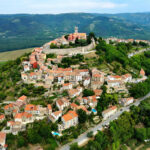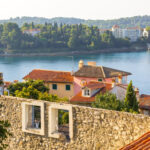

Every Croatian town has a market where farmers, fishermen and grandmothers sell what they grew, caught or made that week. Locals call it the pazar or plac, and a morning visit tells you more about Croatian food than any restaurant menu. Shopping there is also the cheapest way to eat well on holiday.
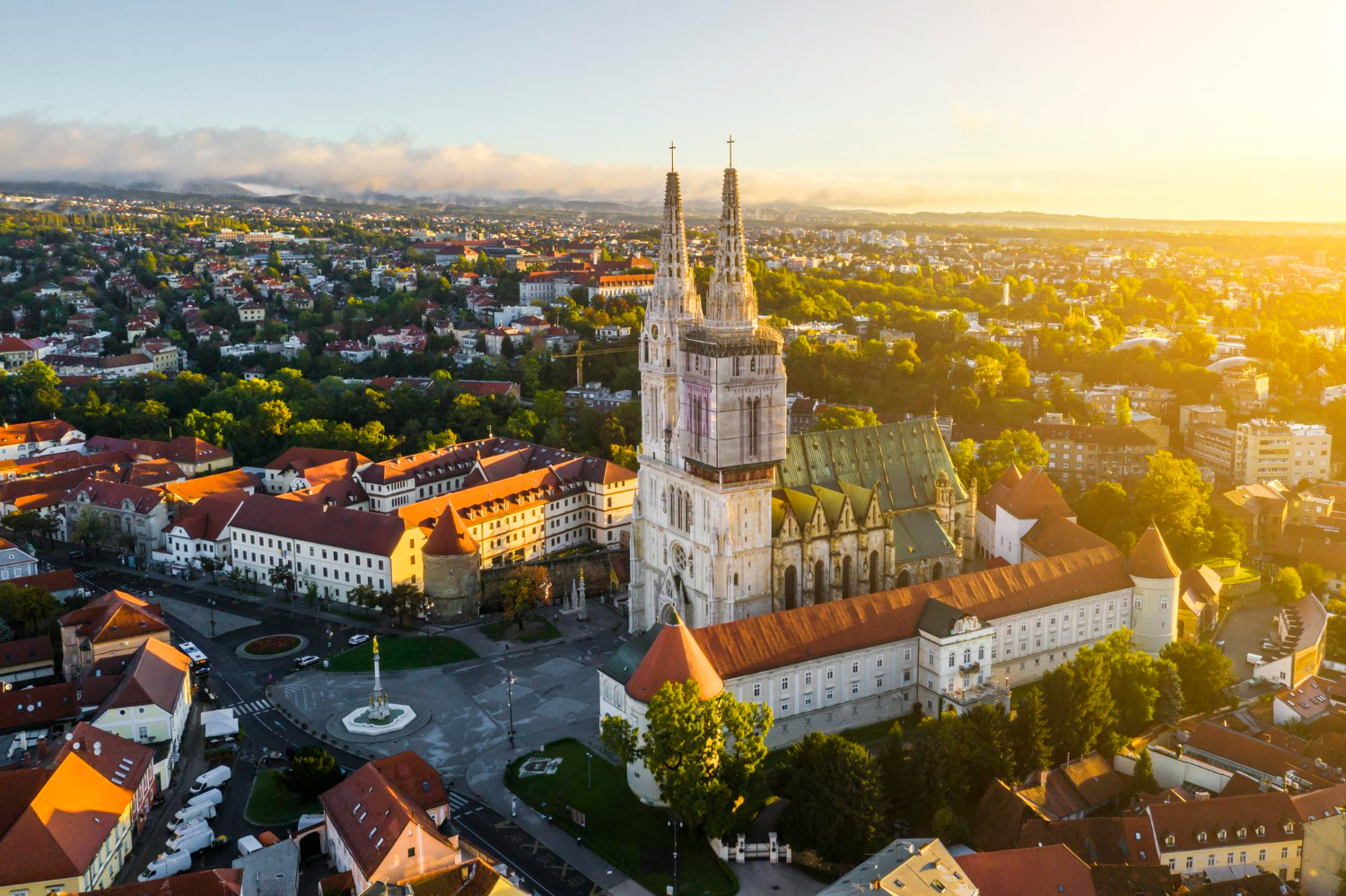
Dolac market sits just above the main square under red umbrellas, which are almost a symbol of the city. Upstairs you find fruit, vegetables and flowers, while the covered hall below sells meat, cheese and the famous sir i vrhnje, fresh cheese with sour cream. Fishmongers have their own section nearby.
Next to Diocletian Palace, the Split Pazar overflows with figs, cherries, lavender and dried herbs. A few streets away, the old fish market, Peškarija, sells the morning catch. Arrive before nine for the best choice.
Rijeka has a beautiful fish hall from the early twentieth century, decorated with sea creatures in stone and iron. In Pula, the glass and iron market hall opened in 1903 and still hosts butchers and cheese sellers, with cafés upstairs. Both are lively on Saturday mornings.
Zadar market sits right inside the old town walls, where sellers offer fruit, vegetables and cheese from the islands. In Dubrovnik, a small morning market fills Gundulić Square with stalls of dried figs, lavender and candied orange peel. Both are perfect for an early walk before the day trippers arrive.
In eastern Croatia, markets feel different. Stalls in Osijek are full of paprika, homemade kulen sausage, pumpkin seed oil and fresh curd cheese. Prices are often lower than on the coast, and sellers love to talk about how their families prepare each product.
On smaller islands there is rarely a proper market hall. Farmers set up tables by the harbor or along the road with tomatoes, melons, olive oil and honey. An honesty box sometimes replaces the seller, so keep coins ready and take only what you pay for.
Dairy counters deserve their own visit. Beside fresh cottage cheese you will find smoked cheese from Zagorje, sheep cheese from the islands and škripavac, a squeaky cheese from Lika. Sellers cut a thin slice for tasting, and buying a small piece of each is the best way to compare.
Before Easter, markets fill with eggs, young lamb and sweet bread called pinca. December brings dried fruits, walnuts and ingredients for fritule, tiny fried doughnuts. Visiting during holidays shows which foods matter most to Croatian families.

Spring brings wild asparagus and strawberries, early summer offers cherries and apricots, and late summer means figs, grapes and tomatoes that taste of sun. Autumn is time for chestnuts, mandarins from the Neretva valley and new olive oil. Winter markets sell kale, sauerkraut and dried meats.
Look for homemade jams, honey from wild herbs, dried figs, fig cake called smokvenjak and small bottles of rakija. Producers are usually happy to let you taste before you buy. After the market, you can book local food experiences in Croatia, from organic kitchens to mornings in the salt fields.
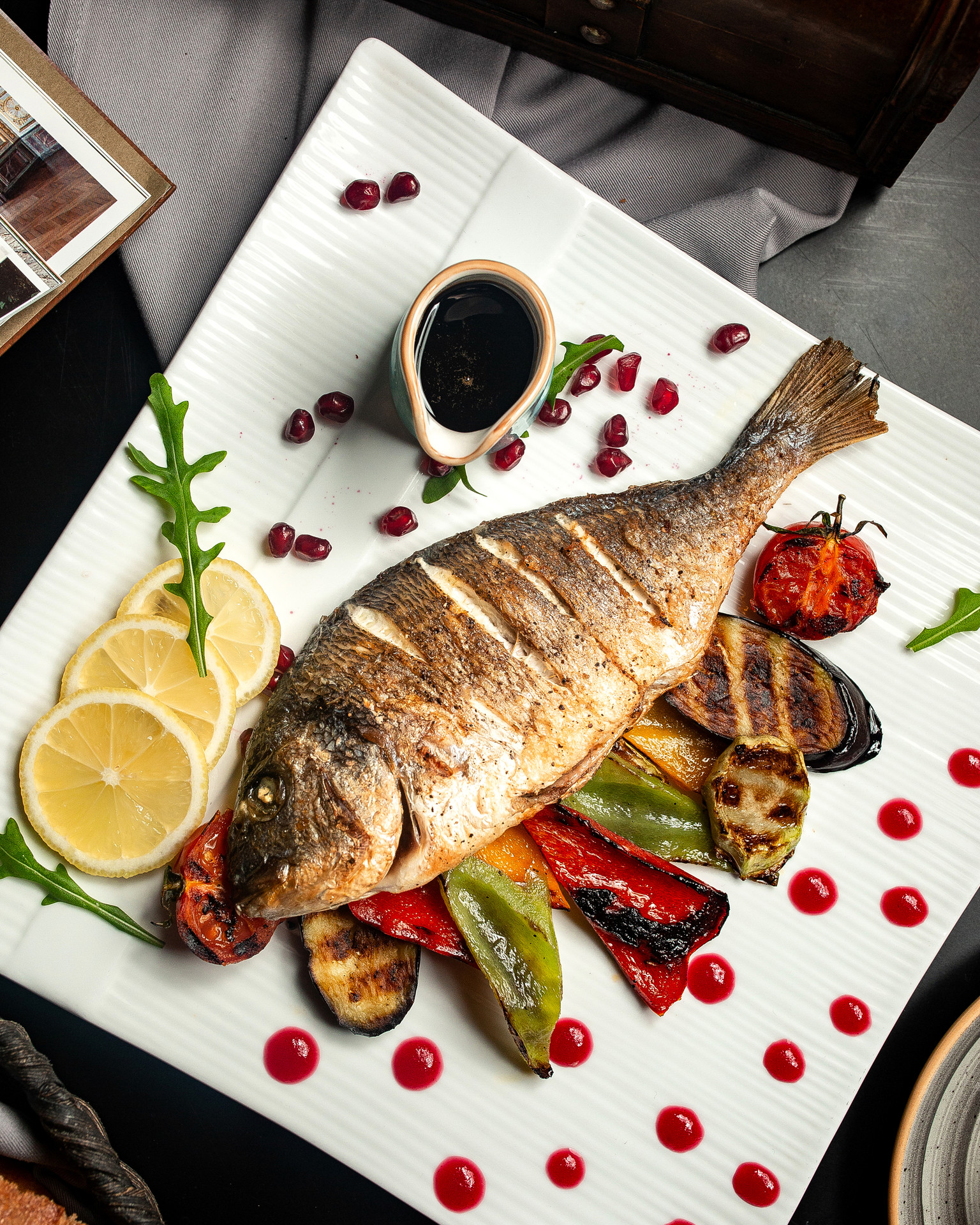
At the fish market, look for clear eyes, red gills and a fresh smell of the sea. Small oily fish like sardines and anchovies are cheap and full of flavor, while sea bream and sea bass cost more. Fishmongers will clean the fish for you if you ask, often for no extra charge.
In spring, older women sell bunches of wild greens, a mix of dandelion, wild fennel and other leaves picked in the fields. Locals boil them and serve them with olive oil and potatoes. Sage, rosemary, laurel and immortelle are sold dried all year and make light souvenirs.
Hungry after shopping, people stop at a nearby bakery or kiosk for burek, a slice of pizza or a sandwich with pršut. Some markets have tiny bistros where workers eat beans or fish stew. These places rarely look fancy, yet the food is honest and cheap.
If your apartment has a kitchen, a market morning can turn into a great lunch. Fresh tomatoes, cheese, olive oil and bread need nothing more than salt and a sharp knife. Grilled vegetables and fish from the peškarija take less than half an hour to prepare.
More and more young farmers sell organic vegetables, natural wine and cold pressed oils. Their stalls often carry handwritten signs. Asking where the farm is located can lead to an invitation for a visit, a common way to discover family estates off the tourist map.
Bring cash and small bills, since many stalls do not accept cards. Greet sellers before you start choosing, and let them pick fruit for you when they offer. Gentle bargaining is fine for larger amounts, but prices are usually fair. Markets close around noon or one, so plan your visit for the morning.