
The fastest way to understand a country is to sleep under the roof of a family that farms its land. In Croatia, a growing number of rural households open their homes to travelers, serving dinners made from their own vegetables, cheese, meat and wine. Mornings start with a rooster rather than an alarm clock, children feed goats before breakfast and the day ends at a long table with hosts who treat you less as customers and more as relatives. Agritourism in Croatia offers exactly the kind of local experience that hotels cannot copy.
Two words help you search. OPG stands for obiteljsko poljoprivredno gospodarstvo, a registered family farm, and agroturizam marks those that also welcome guests. Some offer rooms and full board, others only serve meals on weekends, and a few combine both with activities such as harvesting, cheese making or baking bread in a wood fired oven. Roadside signs, regional tourist boards and word of mouth remain the best sources, because many modest farms do not invest in polished websites.
Expect simple comfort rather than luxury, generous portions and fixed menus based on what the season brings. Tell hosts about dietary needs in advance, since the kitchen depends on the garden.
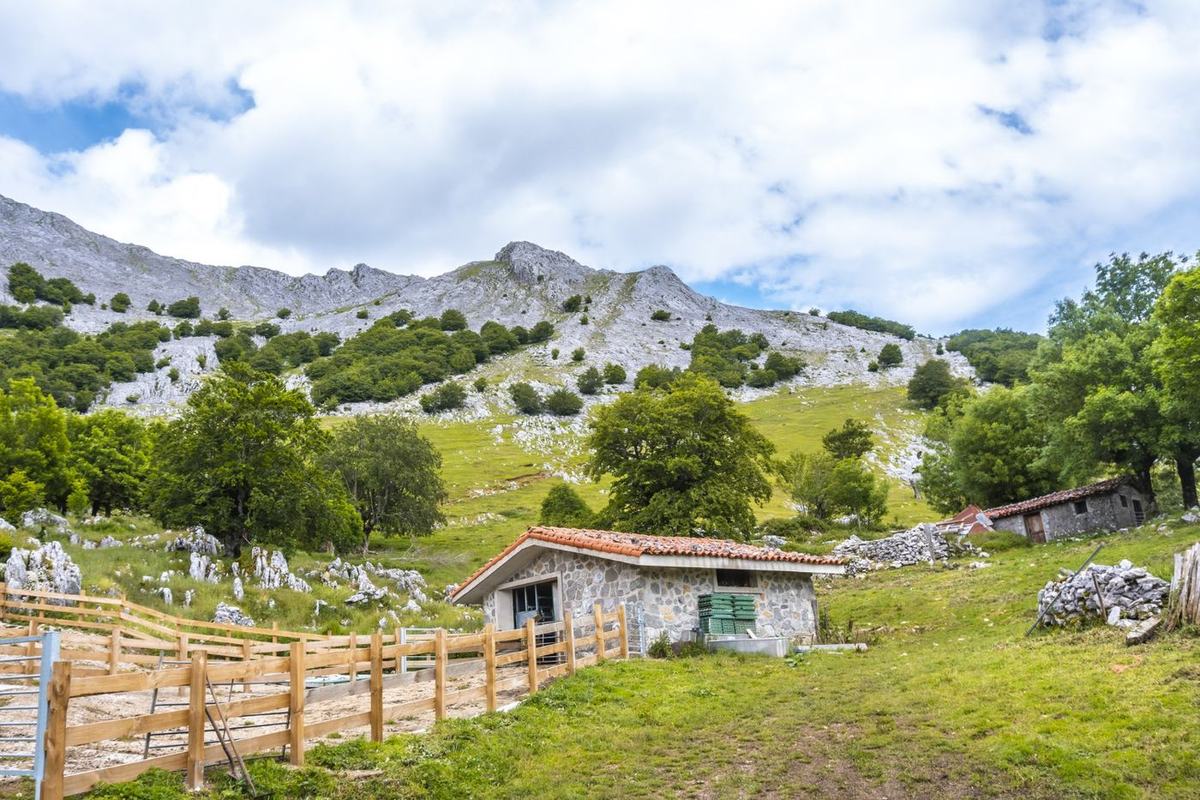

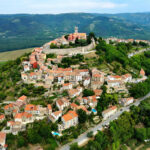
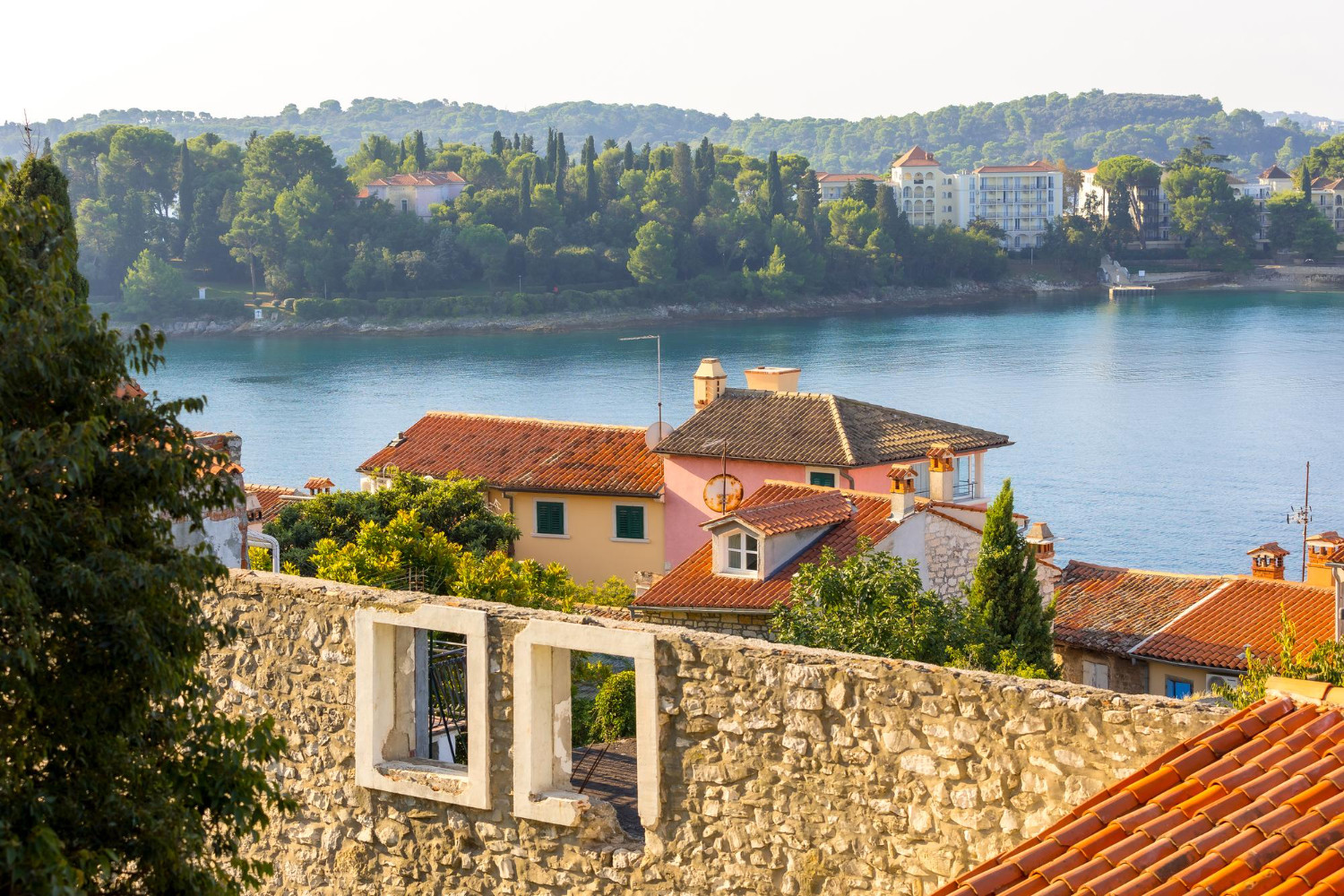
Istria has the most developed agritourism scene. Restored stone farmhouses outside Pazin, Motovun and Labin combine guest rooms with konobas where the evening menu might include homemade pršut, ombolo pork loin, fuži with truffles and roasted lamb. Many produce their own olive oil and wine, and guests may join the grape harvest in September or the olive picking that follows in autumn. An early walk through the hills, past dry stone walls and abandoned field huts called kažuni, completes the picture.
North of Zagreb, Hrvatsko Zagorje is a landscape of green hills dotted with chapels, castles and tiny plots of vines. Families traditionally kept a wooden cottage called a klet among the vines, used for pressing grapes and storing wine. Several have been converted into charming guest houses where you wake surrounded by vineyards. Expect štrukli, turkey with mlinci, fresh cottage cheese with cream and home brewed fruit brandy at dinner. Thermal spas such as Stubičke Toplice and Krapinske Toplice are close for a relaxing afternoon.
Both regions are within easy reach of airports, which makes them ideal for a short break in any season. Our guide to Croatian green markets explains how to shop for the same products these farms produce.
If you come in autumn, ask whether you can lend a hand in the cellar. Crushing the harvest, tasting must straight from the barrel and sharing a harvest lunch with neighbors is the most memorable souvenir Zagorje can give. Kumrovec, a preserved village museum close to the Slovenian border, shows how rural families lived a century ago.
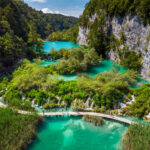
On Lika, the high plateau surrounding Plitvice Lakes, farm stays provide an alternative to crowded hotels by the park entrance. Wooden houses, cold nights and hearty food define the experience. Try škripavac, a fresh cheese that squeaks between your teeth, Lika lamb roasted on a spit and potatoes that locals claim are the best in the country thanks to the cool climate. Some farms keep horses and organize rides through meadows, a gentle way for young guests to discover the plateau. The Gacka river, one of the clearest in Europe, flows past Otočac with trout ponds and old watermills that are worth an afternoon.
Far to the east, Slavonia and Baranja are famous for hospitality so warm it becomes almost a duty. Ethno houses with painted facades, wells and stork nests on the chimneys welcome visitors with kulen, čvarci crackling, fiš paprikaš and Graševina. Nights often turn into music sessions with tamburica players. Prices are among the lowest in Croatia, and distances between farms, wineries and Kopački rit Nature Park are short.
For a Slavonian countryside stay where homemade pasta meets local wine, have a look at this farm stay with pasta and wine evenings. It captures the spirit of the region, cooking, chatting and laughing around one table without watching the clock.
South of Dubrovnik, the fertile valley of Konavle proves that agritourism works even near a major tourist magnet. Family estates with old mills, vineyards and citrus trees serve Dalmatian dishes, peka and wines from local grapes, while village women still wear and stitch the famous red and black Konavle embroidery on festive days. Staying here gives you peace at night and Dubrovnik within half an hour by car.
On summer Sundays, the village of Ćilipi near the airport holds folklore performances after morning mass, with dancers in local costume and a small market of handmade goods. It pairs well with lunch on a farm nearby. Konavle wines, especially the native Malvasija dubrovačka, are rarely exported, so this is the place to taste them.
A few practical points matter. Most farm stays require a car, since public transport rarely reaches remote villages. Book dinner when you book the room, and arrive before dark, because rural roads have little lighting and house numbers can be hard to spot. Bring cash, as some hosts do not accept cards. Children usually love the animals, but ask before entering stables or touching livestock.
Finally, buy something before leaving. A bottle of oil, a jar of honey or a wheel of cheese supports the family directly and lets you taste the trip once more at home, weeks after the suitcase is unpacked. More ideas for meeting people wait in our article on living like a local in Croatia and in the Local Experiences section.