
Every country has habits that never make it into guidebooks. In Croatia they shape the whole day, from the first coffee to the last walk along the sea. Joining these rituals is the simplest way to enjoy local experiences in Croatia, and most of them cost almost nothing.
Ordering a kava in Croatia means booking a table for an hour, sometimes two. Friends meet on terraces to talk, read the paper and watch the street. Nobody rushes you, and asking for the coffee to go still raises eyebrows in smaller towns. Try a bijela kava, coffee with milk, and simply sit.
In Dalmatia and Istria, workers break around ten or eleven for marenda, a hearty snack that is more of a small lunch. Bakeries and small bistros serve fish stew, tripe, beans or fried sardines. Look for handwritten boards announcing the marenda of the day and join the queue with the locals.
On Bačvice beach in Split, men and women of all ages stand in shallow water and keep a small ball in the air with flying jumps. The game is called picigin, and it has been part of Split summers for about a hundred years. Watching is free, and joining usually takes only a friendly smile.
Before eight, queues form at the corner bakery, the pekara. Locals buy fresh bread, a burek filled with cheese or meat and a yogurt to drink alongside it. Standing at the counter with a warm pastry is a small but very Croatian start to the day, and it costs only a few euros.
On the coast, life slows down in the early afternoon. Shops in smaller places close for a few hours, shutters come down and streets go quiet. Residents rest indoors and come out again when the heat breaks. Planning museums or long lunches for that part of the day keeps you in step with the town.
Older residents spend evenings on stone benches in front of their houses, swapping news about family, weather and the catch of the day. A simple dobar dan, good day, is usually enough to start a conversation. Many of them speak some English, German or Italian and enjoy telling visitors about the village.
In cafés and small bars along the coast, men gather around tables to play briškula and trešeta, card games with Italian roots. The games are loud, the comments even louder. Ask someone to explain the rules and you may get invited to the next round.
People on the coast often swim early, when the water is still and beaches are almost empty. Retirees in particular keep this habit from May to October, and some continue all year round. A short morning swim followed by coffee is one of the most loved daily rituals along the Adriatic.
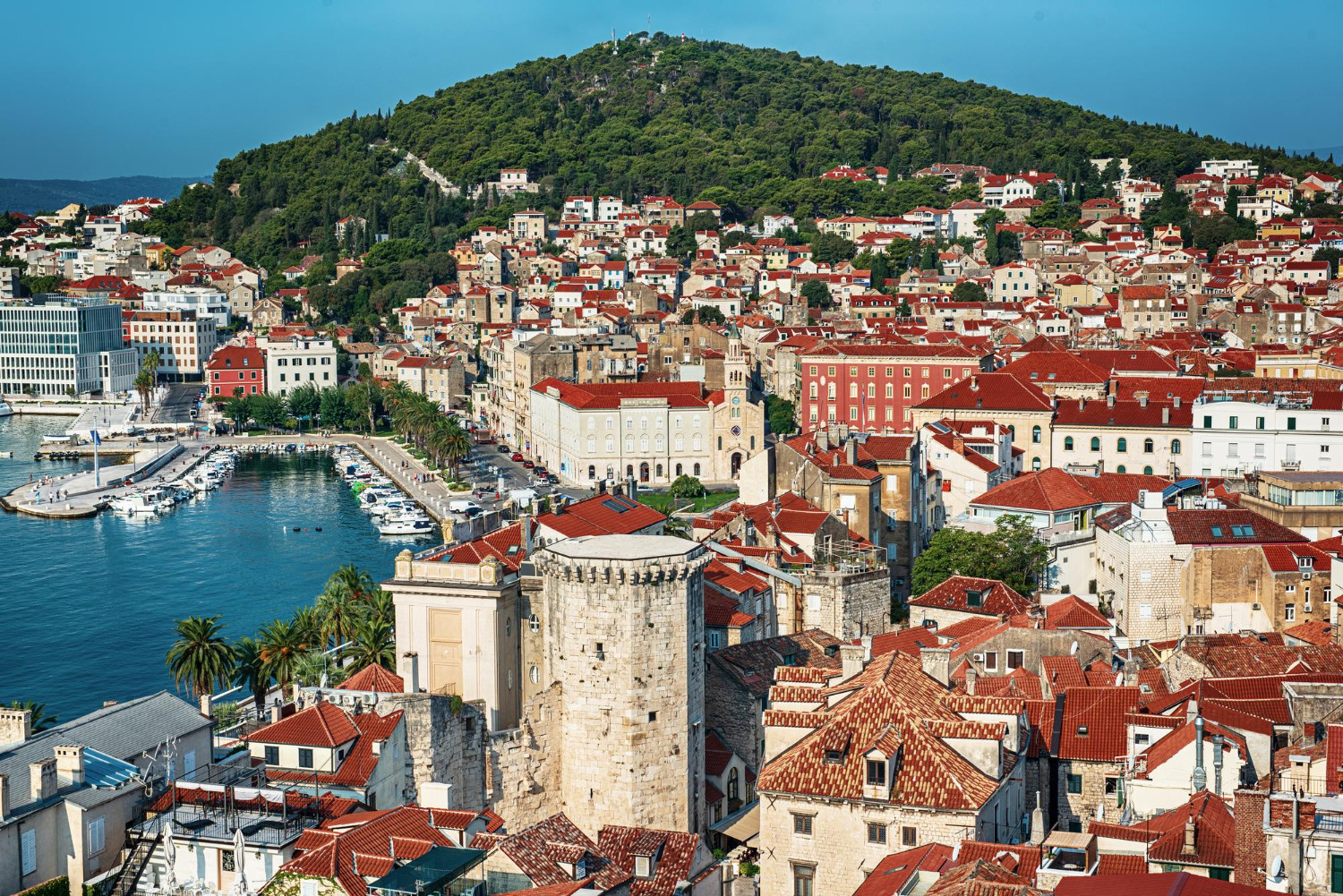
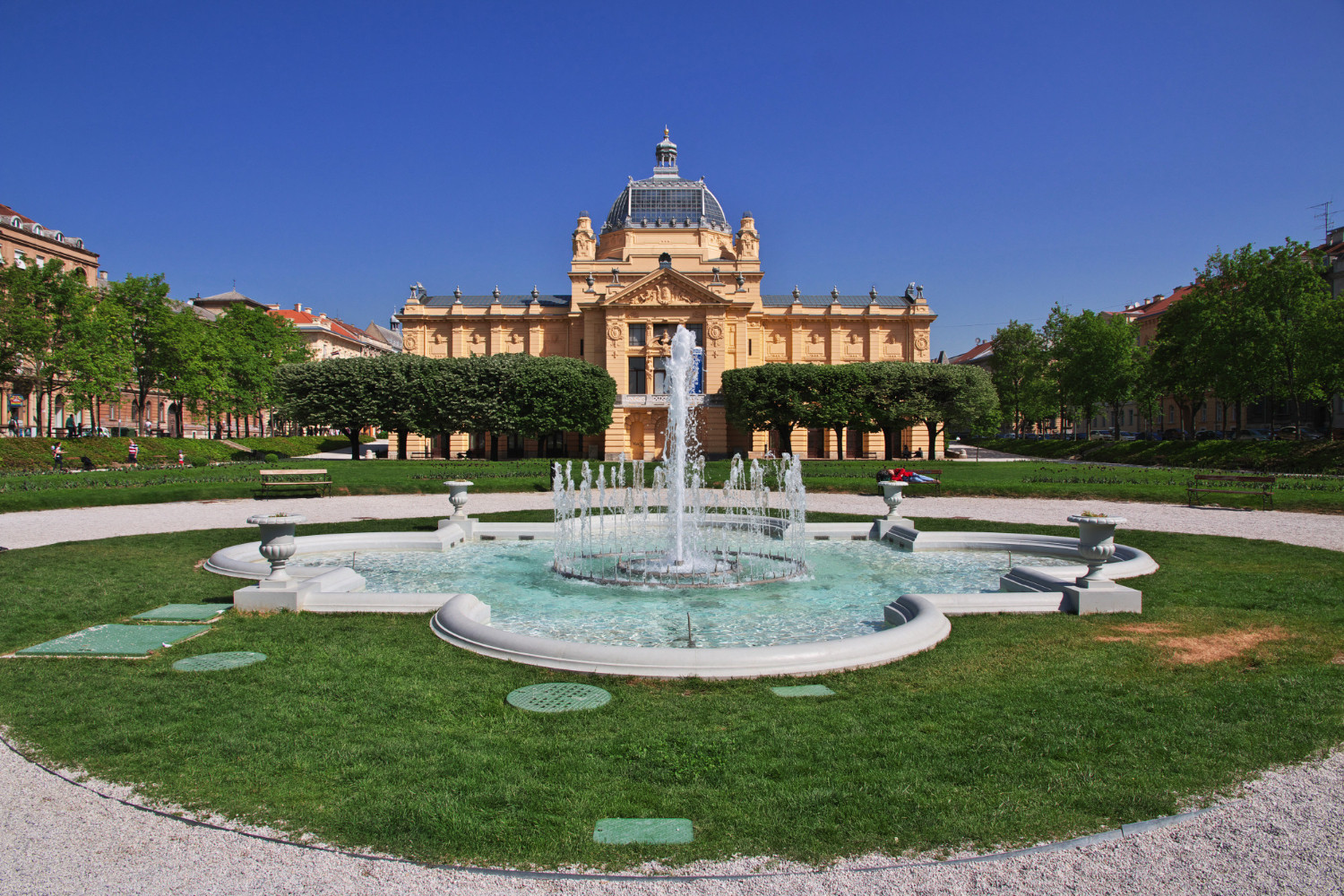
After sunset, whole towns move to the waterfront for a slow walk called giro or đir. Grandparents, teenagers and families stroll, greet neighbors and stop for ice cream. It is the best moment to feel the rhythm of a Croatian town.
Sunday lunch is sacred. It often starts with beef soup, continues with roast meat, potatoes and salad, and ends with homemade cake. If you are invited, bring a bottle of wine or a box of sweets and arrive hungry. Saying no to a second helping is rarely accepted.
Weekend gatherings often center on the roštilj, the grill. Friends meet in backyards, bring meat, fish and vegetables and stay until late. Ćevapi, pljeskavica and grilled squid are common, served with ajvar and fresh bread. Guests who help with the fire earn instant respect.
Many families own a small vikendica, a weekend house in the hills or by the sea. On Friday afternoon, roads out of Zagreb and Split fill with cars heading there. Days pass working in the garden, picking olives or fixing the roof, followed by long dinners under the vine.
A konoba is a simple tavern, often in an old stone cellar. Croatians go there for grilled fish, peka dishes cooked under an iron bell and house wine poured by the liter. Prices are lower than in tourist restaurants. Order peka a day ahead, since it takes hours to prepare.
When the national team plays, cafés put screens outside and the whole town watches together. Football draws the biggest crowds, but water polo matches are followed with the same passion on the coast. Wearing the red and white checkered shirt is a quick way to make friends that evening.
Before the first sip, everyone at the table says živjeli. Looking each person in the eye while you clink glasses is expected, and skipping it may be taken as bad manners. Hosts often offer guests a small glass of rakija as a welcome, and accepting it is the polite choice.
Walking with someone who grew up in a town opens doors to markets, backyards and stories you would never find alone. Many cities offer free walks led by residents. You can find free tours with local guides across Croatia and start your trip with an insider view.