
Croatian towns and villages love a good celebration. Saints days, harvests, carnivals and fishing seasons all bring people into the streets with music, food and wine. Timing a trip around village festivals in Croatia is one of the best ways to meet locals and see traditions that are still very much alive.
Almost every parish celebrates its patron saint with a mass, a procession and a fešta on the square. A local band plays, grilled sardines and wine are cheap, and dancing goes on late into the night. Ask at the tourist office which saint is celebrated during your stay.
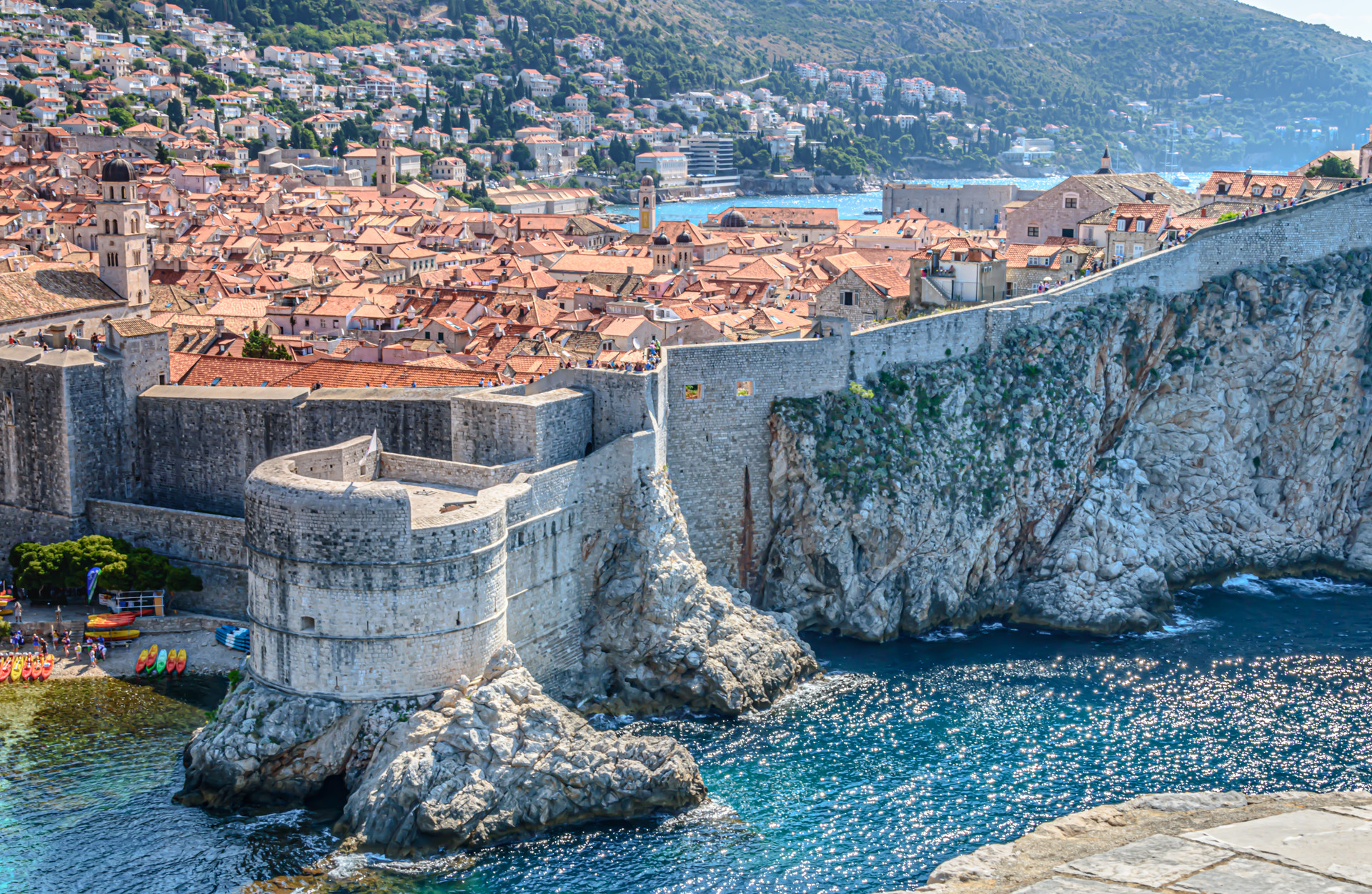
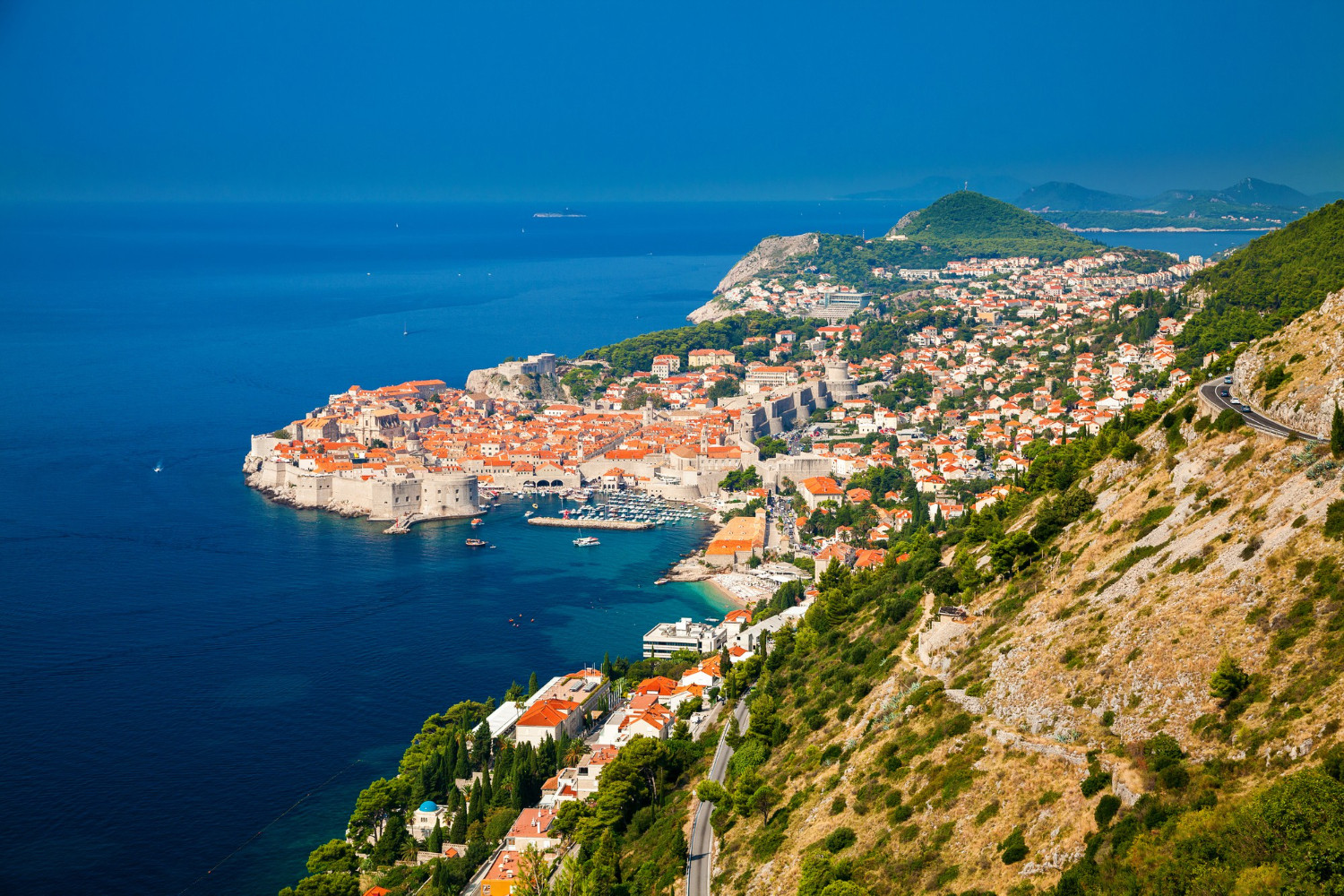
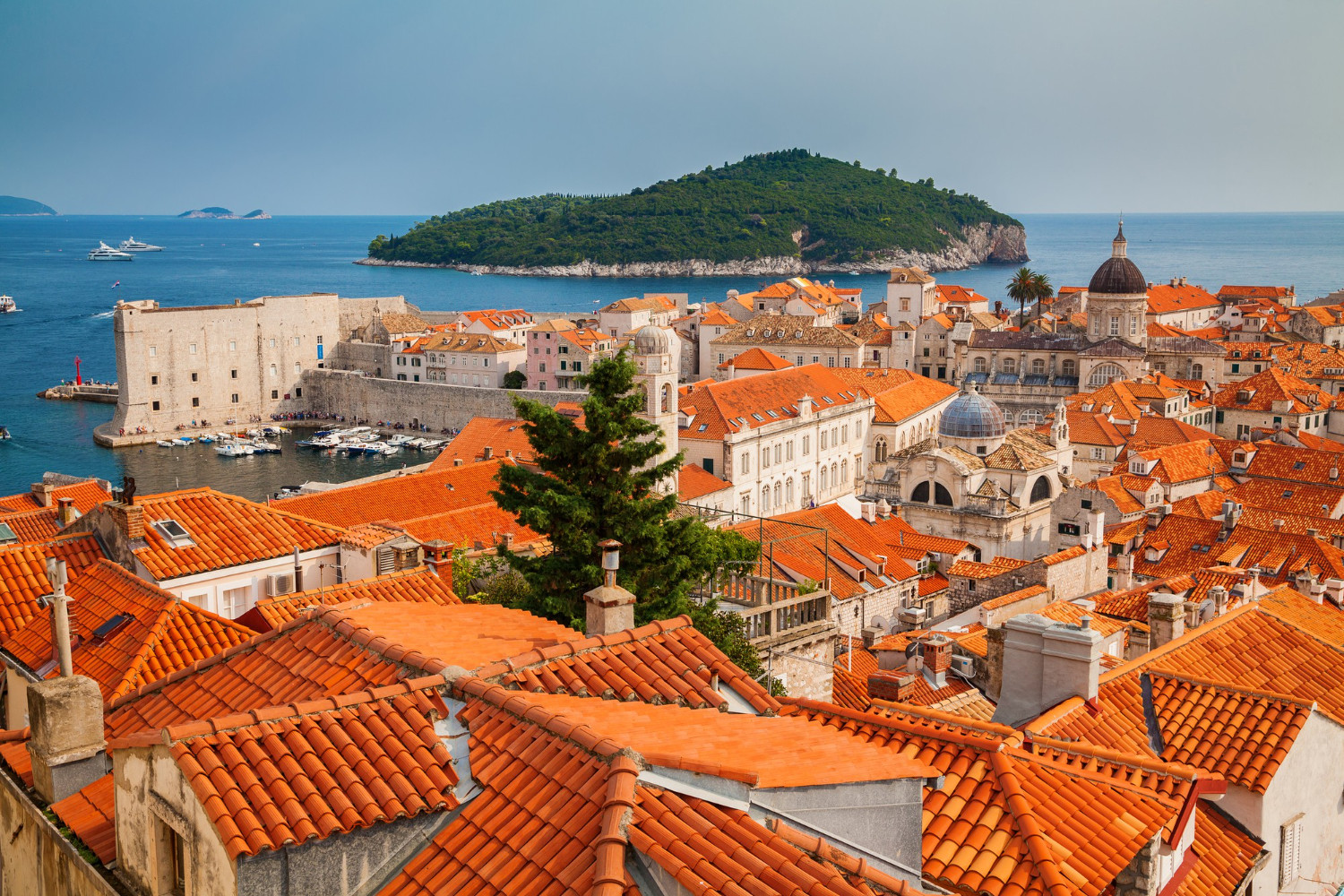
Every year on 3 February, Dubrovnik honors its protector, St Blaise. Locals in traditional costumes carry relics through the old town, and the celebration is listed by UNESCO as intangible heritage. Visiting in winter means fewer tourists and a very local atmosphere.
The Rijeka Carnival is the largest in Croatia, with weeks of parades before Lent. In villages around Kastav, zvončari, the bell ringers, wear sheepskins and masks and ring heavy bells to chase away winter. Their custom is also on the UNESCO list.
During Holy Week, the island of Hvar holds the Za Križen procession, an all night walk linking six villages. Each group follows a cross bearer and sings old laments along the way. The tradition is centuries old, listed by UNESCO and one of the most moving events in the country.
Every summer, Đakovo hosts Đakovački vezovi, a festival of folk costumes, dances and songs. Horse drawn carriages and riders in traditional dress parade through town, while folklore groups perform late into the night. It is the biggest celebration of Slavonian heritage.
In September, Vinkovci celebrates Vinkovačke jeseni, with folk groups from across the region, a costume parade and stalls full of kulen and homemade cakes. The atmosphere is warm and noisy, and visitors are welcomed like relatives returning home.
In the Slavonian village of Gorjani, girls dressed as kraljice or ljelje walk from house to house at Pentecost, singing and performing a sword dance. Once close to disappearing, the custom is now proudly kept alive and listed by UNESCO.
Small towns in Istria and Dalmatia hold tastings when the new olive oil arrives in November. Producers line up their bottles on the square, and visitors move from stall to stall. Martinje, on 11 November, is celebrated with roast goose and the blessing of young wine.
Each August, riders in Sinj gallop at full speed and aim their lance at a small iron ring during the Sinjska alka, held since 1717. On Korčula, the Moreška sword dance tells the story of two kings fighting for a princess and is performed through the summer.
Coastal towns host ribarske večeri, fishermen nights with fried fish, klapa singing and wine on the harbor. In Sali on Dugi Otok, the August festival includes donkey races and the famous tovareća mužika, music played on horns. Kastav celebrates young wine on Bela nedeja in early October.
In late July, the town of Rab travels back to the Middle Ages during Rapska fjera. Crossbowmen compete, craftsmen work in old costumes and the streets glow under torches. Residents prepare for months, and the festival honors the patron saint of the island.
Velika Gospa, the Assumption, is one of the biggest holidays of the year. Pilgrims walk to shrines like Sinj and Marija Bistrica, while coastal towns hold processions with decorated boats. In the evening, squares fill with music and food stalls.
In the Neretva valley, the Marathon of the Boats sees crews row traditional lađa boats down the river from Metković to Ploče. Thousands of people line the banks to cheer, and the winning village celebrates for days.
Festival stalls are a cheap way to taste regional cooking. Along the coast you get fried fish, fritule and grilled meat, while inland stalls serve sausages, strudel and paprika stew called čobanac. Local women often bake cakes for church fairs, and buying a slice supports the parish.
Live music is the heart of every celebration. On the coast you may hear brass bands and klapa, while Slavonia dances the kolo to tamburica, a circle dance where strangers join hands with locals. Do not be shy, as the steps are simple and the circle always opens for one more.
Bring cash, arrive early for a good spot and try whatever locals are eating. Dress modestly for church processions. You can look through local events and village traditions in Croatia to time your trip with a feast day.