
Souvenir shops sell plenty of magnets, but the real treasures of Croatia are skills passed down through families. Several of them are on the UNESCO list of intangible heritage. Booking one of the many hands-on workshops in Croatia lets you take home a story and something you made yourself.
Women on the island of Pag still create delicate needle lace that looks like a spider web of white thread. In Lepoglava, in the north, lace is made with bobbins. Croatian lacemaking has been on the UNESCO list since 2009, and short lessons show how much patience a single piece takes.
Bright red licitar hearts are decorated gingerbread made from honey dough and painted with sugar icing. Families give them as tokens of love, and they hang in many homes at Christmas. Small workshops near Zagreb teach the craft in an afternoon.
The town of Pučišća on Brač has a stonemason school that has trained carvers for generations. The white limestone of the island was used in buildings far beyond Croatia. Visitors can watch students at work and try a chisel under their guidance.
Late autumn is harvest time in the groves. Some family farms invite visitors to pick olives, follow them to the mill and taste the fresh green oil straight from the press. A slice of bread with a pinch of salt is all you need to tell a good extra virgin olive oil from an ordinary one.
Every region of Croatia has its own folk costume, with patterns stitched by hand in red, black and gold. Cultural associations in Slavonia and around Zagreb teach basic Croatian embroidery to curious visitors. Even an hour with needle and thread shows why a festive shirt could take a whole winter to finish.
Klapa is a cappella singing performed by small groups of voices, and it has been on the UNESCO list since 2012. Some choirs open rehearsals to guests or organize short singing sessions. You will not leave as a soloist, but learning a single verse of a klapa song is an unforgettable souvenir.
Villages in Hrvatsko Zagorje are known for hand carved wooden toys, painted in red, yellow and blue. Birds, horses and little carts are shaped from soft wood and colored by hand. The craft is listed by UNESCO, and family workshops sometimes let children paint their own piece.
The old salt pans in Nin and Ston still produce salt the traditional way, letting the sun and wind do the work. In summer, visitors can join workers with wooden rakes and gather sea salt from the shallow pools. Afterwards, a small shop sells salt flowers and herb mixes.
Learning to stretch dough for štrukli in Zagorje or rolling fuži pasta in Istria is a fun way to understand regional food. Classes usually end with a shared meal and a glass of local wine. Ask whether ingredients come from the host garden, as they often do.
Small studios on the coast and in Zagreb offer glassblowing and pottery sessions for beginners. Watching hot glass turn into a vase is fascinating, and many studios let you shape a simple piece. You can find glassblowing and craft workshops in Croatia and spend an afternoon making something with your own hands.
The island of Pag is famous for Paški sir, a hard sheep cheese with a slightly salty taste that comes from herbs the sheep graze near the sea. Some dairies run tastings and short demonstrations of how milk becomes cheese. Pair it with local Žutica wine for the full island flavor.
In villages along rivers and in Slavonia, older craftsmen still weave baskets from willow branches. A short lesson teaches the basic pattern, and you can finish a small bowl within a few hours. These sessions are relaxed and suit families who want a quiet day away from busy beaches.
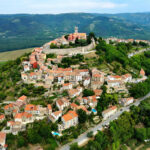
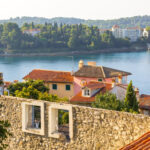
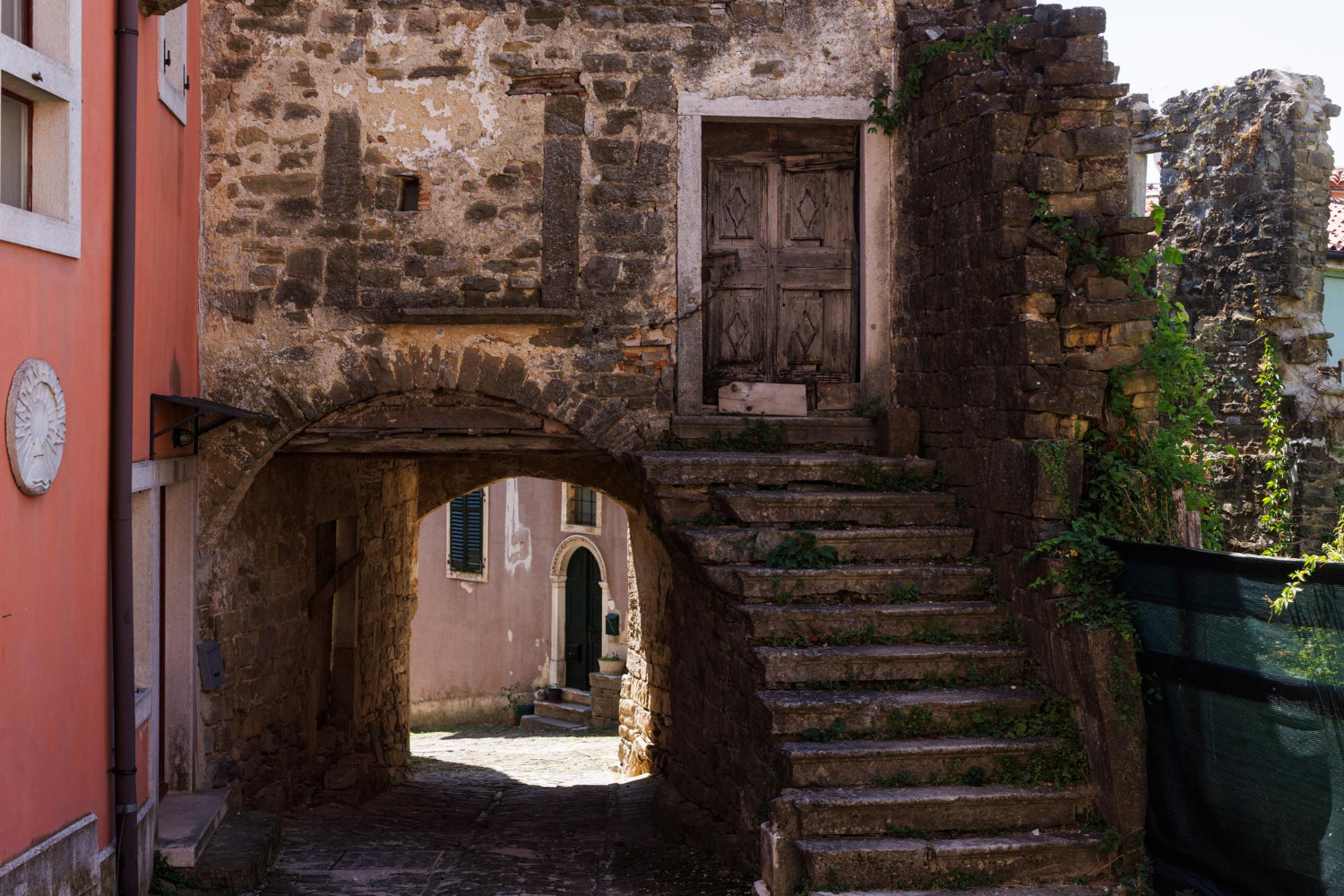
The light on the Adriatic has drawn artists for generations, and towns like Rovinj and Motovun host painting courses in summer. Local artists lead small groups through narrow streets and help with color and perspective. Photography walks at sunrise follow the same idea, with advice on composition from people who know every corner.
Baking bread under the peka, an iron lid covered with hot embers, is one of the oldest cooking methods in Dalmatia. Hosts show how to prepare the dough, lay the coals and wait without lifting the lid. The smell when it finally opens is reason enough to sign up.
Many studios offer programs for kids, from painting licitar hearts to shaping clay. Sessions of about an hour keep young minds focused, and children love carrying home something they made themselves. Ask the organizer about the minimum age, as some crafts involve hot tools or sharp blades.
Most workshops run in small groups, so book a few days ahead in summer. Morning sessions are cooler for physical crafts like stone carving. Bring cash for materials you may want to buy, and ask before photographing other participants.