
Plenty of visitors assume that a car is essential in Croatia. Locals know better. Students, pensioners and commuters cross the country daily on buses and boats, and with a little planning you can do the same, saving money on rentals, tolls and parking while seeing landscapes from a window instead of a steering wheel. Getting around Croatia without a car simply requires knowing which transport works best on each route and how tickets work.
The backbone of public transport is the intercity bus network, complemented by ferries along the coast and a modest railway system in the north and center. In cities, trams run in Zagreb and Osijek, while coastal towns rely on buses. Taxis and ride hailing apps fill the gaps after midnight.
Below you will find how each option functions, what it costs in relative terms, and a few habits that make every journey smoother.
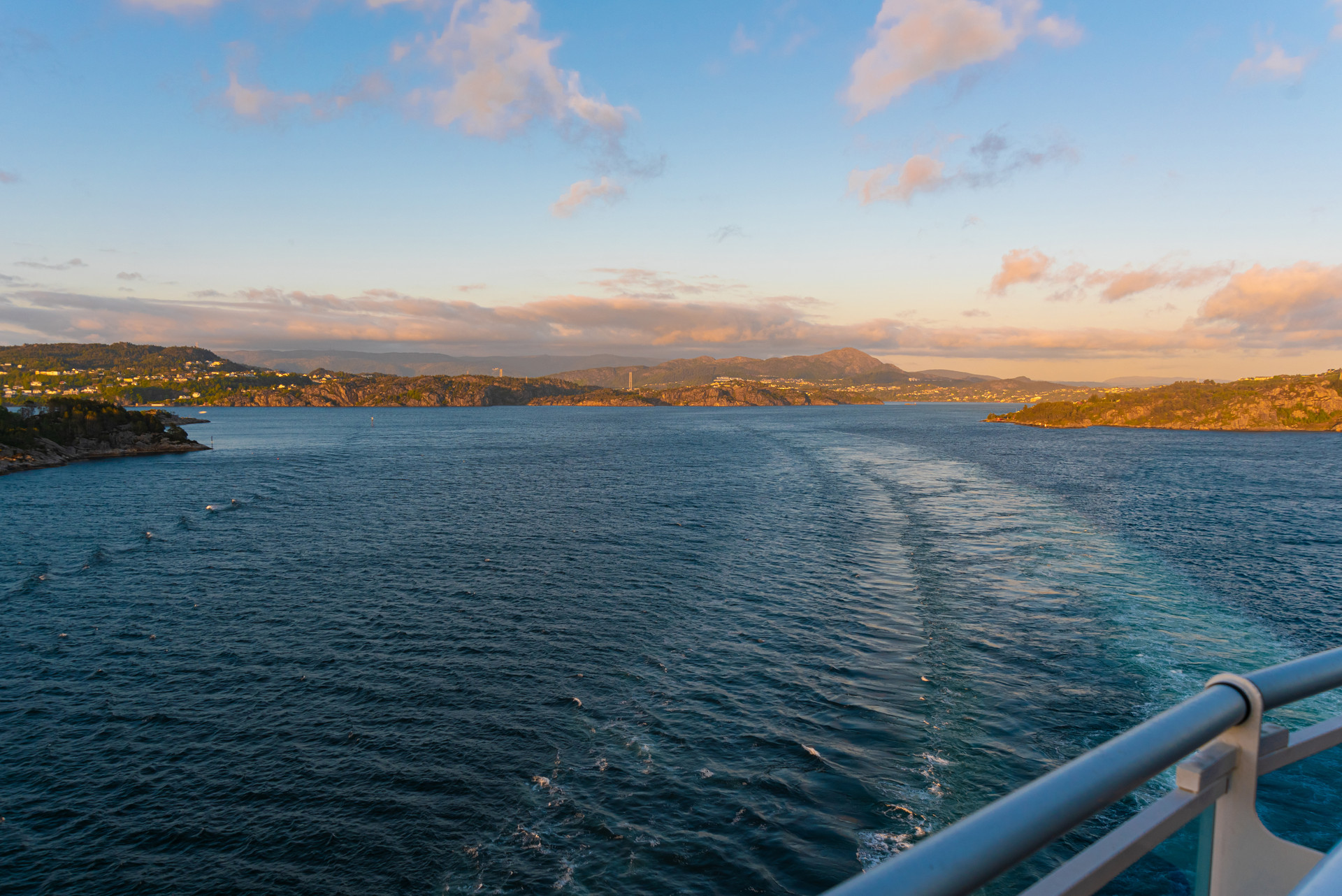
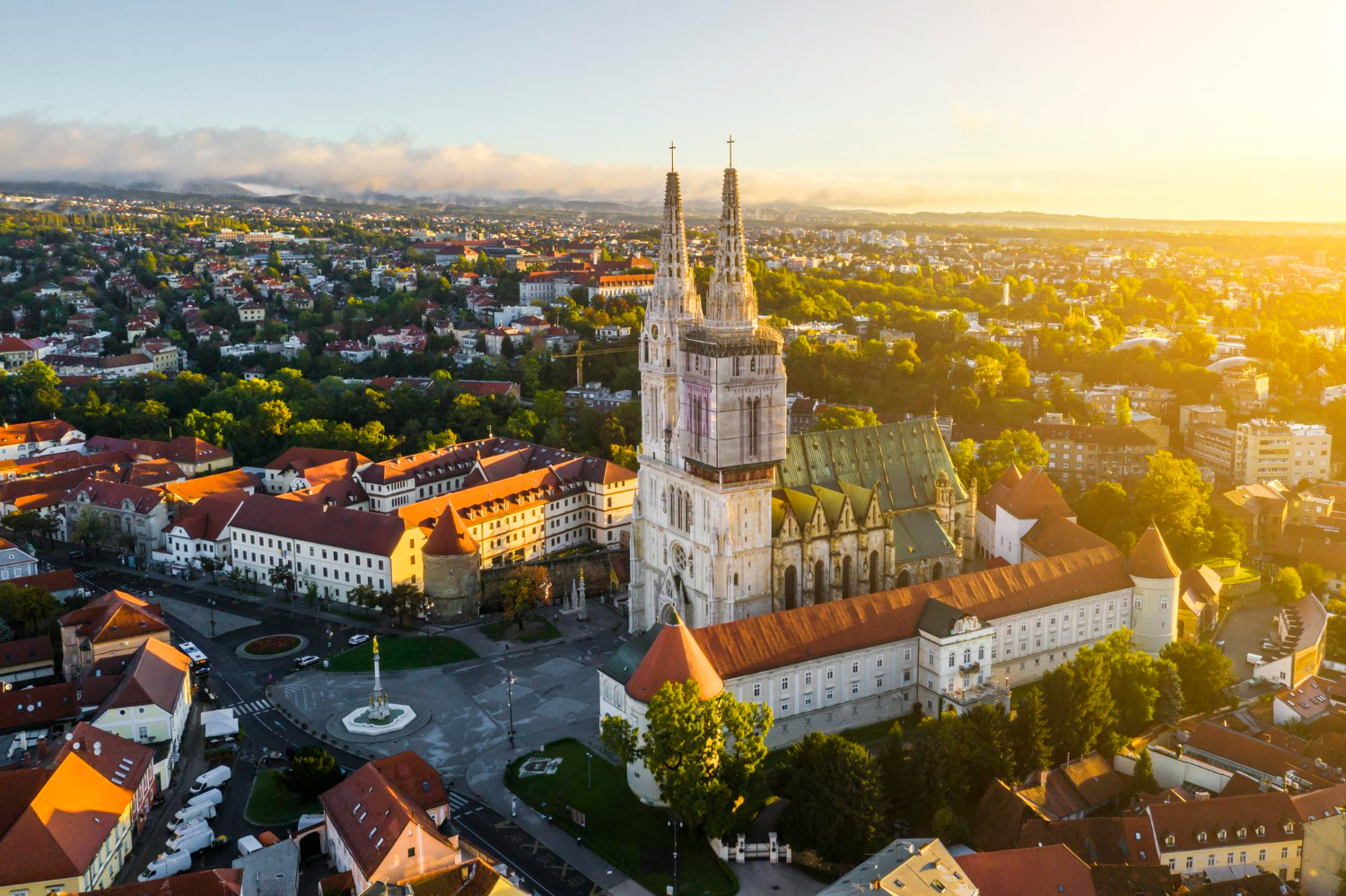
Buses in Croatia are frequent, punctual and comfortable. Several companies operate on the same lines, so timetables can look confusing at first. Check combined schedules on the websites of the main bus stations in Zagreb, Split or Dubrovnik, or use a booking app, then buy online or at the station counter. Large suitcases go into the hold for a modest extra fee paid in cash to the driver, so bring some coins. Seats are not always numbered on regional lines, which means arriving fifteen minutes early helps.
The main corridors are Zagreb to Split, Zagreb to Rijeka and Istria, and the coastal line linking Rijeka, Zadar, Split and Dubrovnik. Overnight buses exist on lengthy routes. Be aware that the road between Split and Dubrovnik used to cross a short strip of Bosnia and Herzegovina at Neum, and some buses still take that way, so keep your passport or ID card at hand rather than in the luggage hold.
Trains are slower but relaxing. Croatian Railways connects Zagreb with Rijeka, Osijek, Varaždin and Split, the last route climbing over the mountains of Lika on a scenic single track. The journey to Split takes considerably more time than the bus, yet the views and space to stretch your legs make it a pleasant choice for unhurried travelers. There is no railway to Dubrovnik, Zadar has only a limited connection, and Istria runs a separate local line.
Train tickets are available at stations and online. Weekend fares and group discounts appear regularly, so check before buying.
Long distance coaches stop every two or three hours at roadside cafés for a short break. Buy water and snacks there, because onboard service is rare. Wi fi and power sockets are common on modern vehicles, though not guaranteed.
Island transport is dominated by Jadrolinija, the state shipping company, alongside private lines. Two kinds of vessel operate. Car ferries are slower, carry vehicles and foot passengers, and have open decks where locals smoke, chat and drink coffee in the sun. Catamarans are faster, passenger only, and depart from city harbors such as Split, Zadar and Dubrovnik straight to island towns.
Foot passengers rarely need to reserve, except on summer weekends when catamaran seats sell out. Car drivers face big queues in July and August, sometimes missing a couple of departures, so arrive early or travel midweek. Harbor kiosks and websites handle tickets, and timetables differ for the summer and winter seasons, with far fewer connections from October to May.
A local habit worth copying is watching the weather. When the bura blows hard, catamaran sailings may be cancelled while larger ferries keep running. Harbor staff and the official website announce changes quickly, and residents simply wait in a café until the sea calms. Our guide to hidden coves in Istria and Kvarner mentions crossings that are easier by small boat than by road.
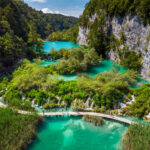
If you want someone else to handle logistics for a single excursion, guided day trips from Rijeka and Zadar cover Plitvice Lakes, the Kornati archipelago and the Opatija riviera with transport included.
Bikes travel free or for a small charge on car ferries, which makes island cycling holidays easy to organize. On catamarans, space for bicycles is limited, so ask the crew before paying for a ticket. Pets are generally allowed on deck with a leash.
In Zagreb, blue trams run around the clock across the center, with tickets valid for set periods, available at kiosks marked Tisak, from drivers at a higher price, or through a mobile app. Validate paper tickets in the yellow machines on board. The funicular linking the lower and upper districts uses its own ticket and climbs in about a minute. Osijek in Slavonia also operates a charming tram network.
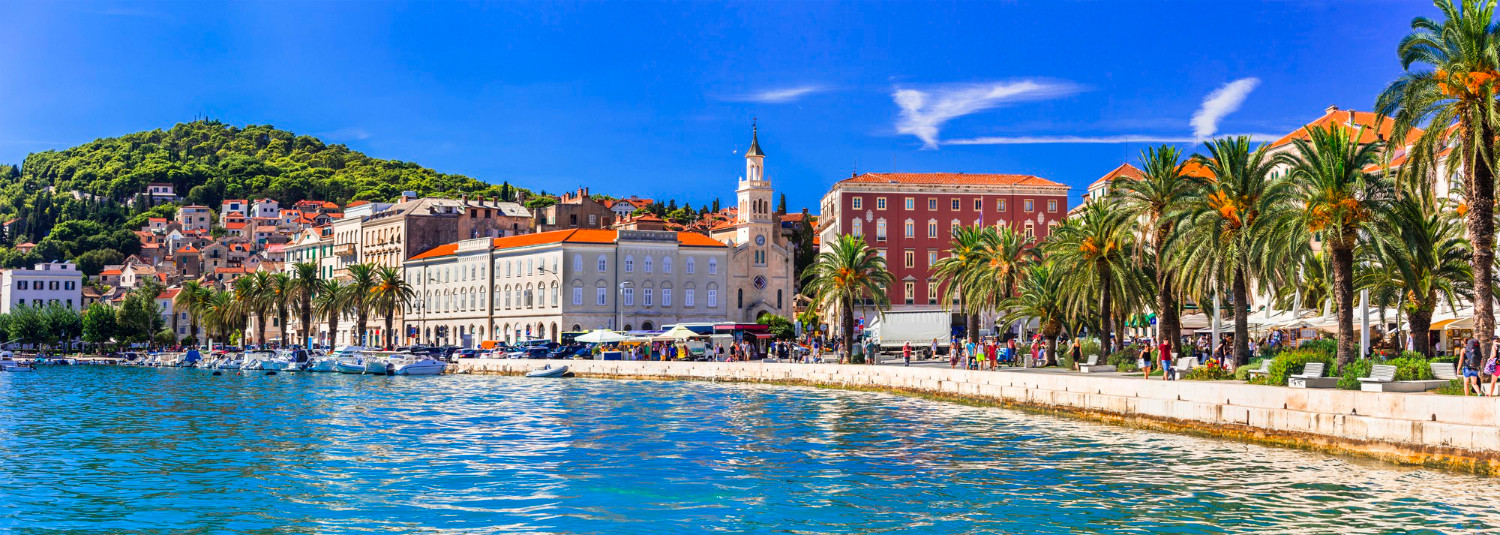
Coastal municipalities rely on buses, and staff are glad to tell you where to get off if you show them the name of your stop. Split has an extensive network reaching Trogir, Kaštela and Omiš, while Dubrovnik buses connect the old town gates with Lapad, Gruž port and the airport. Buying tickets from kiosks before boarding is usually cheaper than paying the driver.
Taxis are metered, and ride hailing apps such as Uber and Bolt work in Zagreb, Split, Dubrovnik and other larger places, often at lower prices than street taxis. On islands, local buses connect villages a few times daily, and renting a scooter or an electric bike gives freedom without the stress of parking a car.
Moving like a local also means slowing down, chatting with people on the bus and asking for directions. Our tips on living like a local in Croatia show how everyday habits open doors, and more ideas wait in Local Experiences.