
Every autumn, when tourists have gone home and the sea turns a deeper blue, Croatian families climb into their groves with ladders, nets and plastic crates. The olive harvest, known locally as berba, is one of the oldest rituals on the coast and the islands. Grandparents, cousins and neighbors work together for weeks, stripping branches by hand or with small rakes, then rushing the crop to the mill before it starts to oxidize. Long evenings end with fresh bread dipped in vivid, peppery oil that tastes nothing like supermarket bottles.
For travelers, joining the berba is one of the most authentic things Croatia offers. You learn how much work hides behind every liter, you meet people who rarely deal with visitors, and you leave with a bottle of oil whose story you know firsthand. Late October and November are the main weeks, though dates shift with weather and altitude.
This guide explains where to go, which native varieties to look for and how to taste olive oil properly, so that your next purchase becomes a conscious choice rather than a guess.
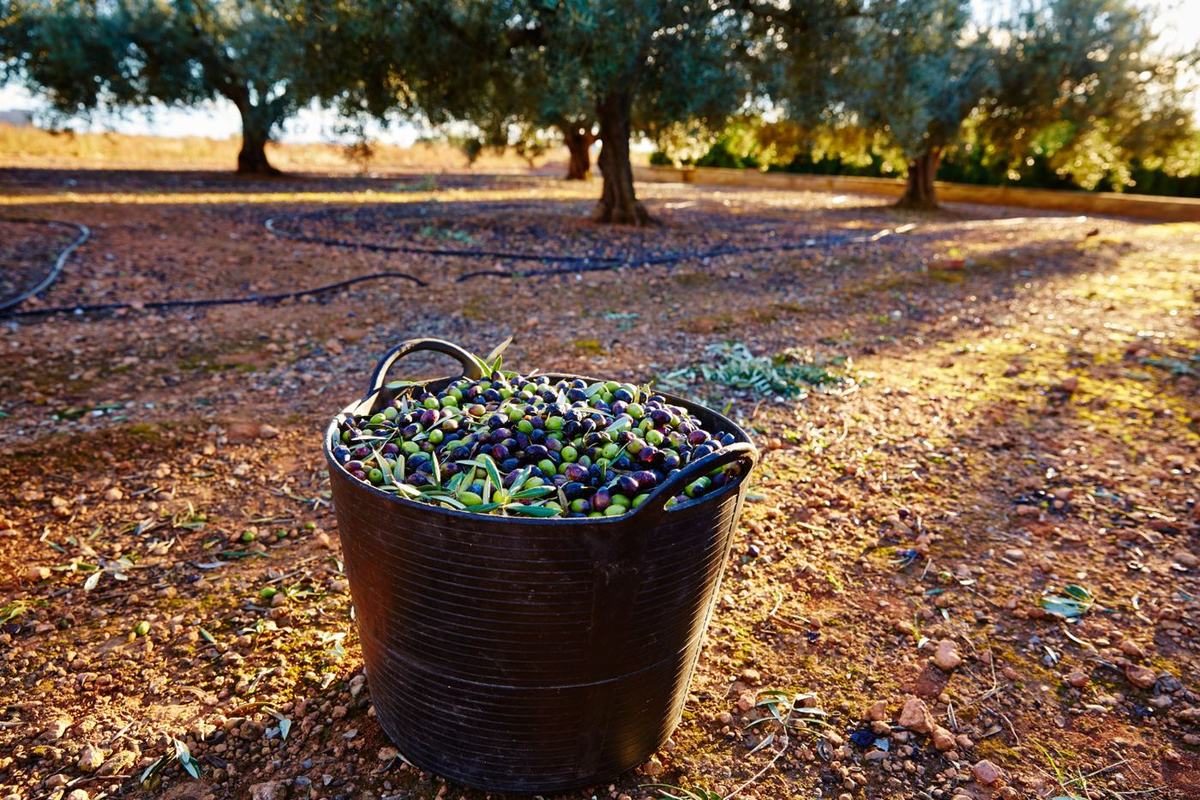
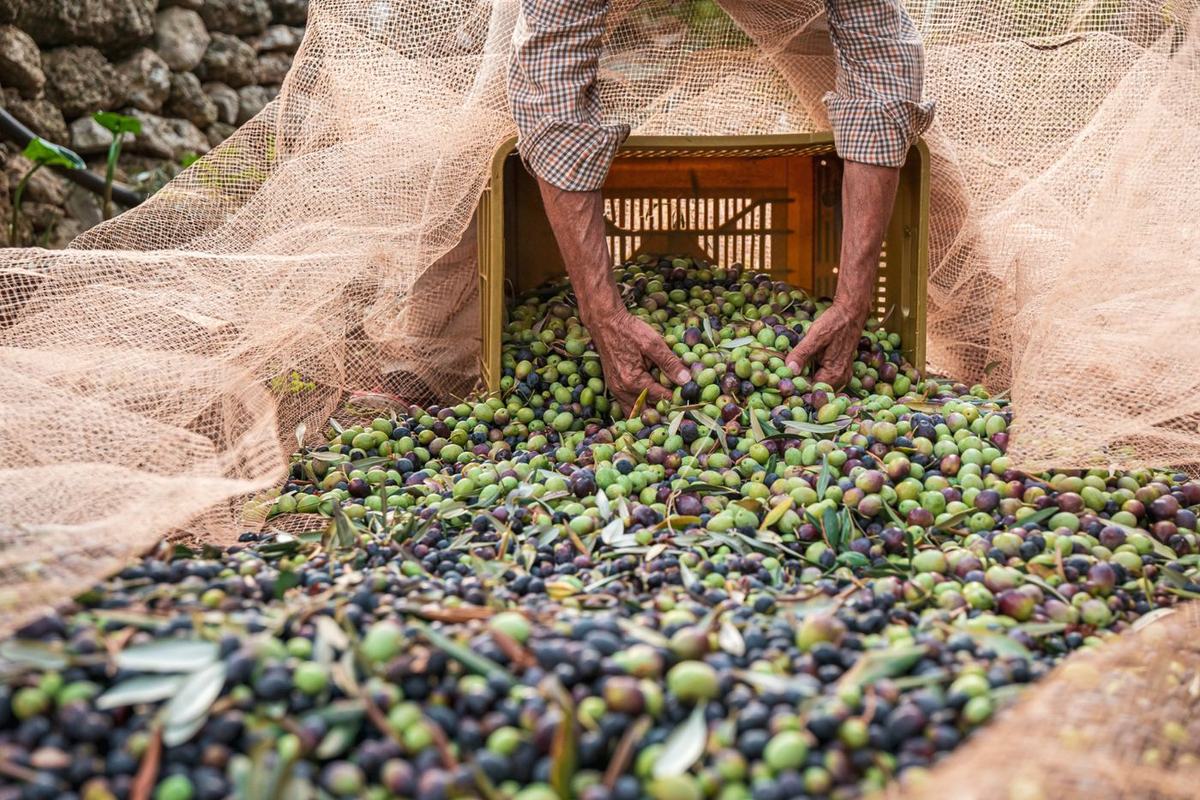
Harvest usually begins in Istria in early October for intensely bitter oils, and continues along the coast into November and sometimes December on the southern islands. Producers who aim for premium quality pick early, accepting lower yields in exchange for more aroma and antioxidants. Smaller family growers tend to wait a little longer, when olives are riper and give more oil.
Many agritourism properties and family farms invite guests to help for a morning or a whole day. You wear worn clothes, spread nets under the trees and comb the branches while the host tells stories about each grove. Lunch is served in the field or in the konoba, typically cheese, pršut and a pot of maneštra soup. Some estates offer picking packages with accommodation, while others simply welcome anyone who calls ahead.
On the island of Pag, beside the village of Lun, an ancient grove holds thousands of wild olive trees grafted centuries ago, some believed to be more than a thousand years old. The area is protected, and walking among the twisted silver trunks feels like entering an open air cathedral. On Veli Brijun in the Brijuni National Park, an olive tree estimated at around 1600 years old still bears fruit. Our overview of hidden coves in Istria and Kvarner pairs nicely with a grove visit if you want a swim on a sunny October afternoon.
Other strong olive regions include Šolta, Korčula, Brač, Cres and Krk, each with its own variety and character. Several regional oils carry European protected designation of origin status, a guarantee of local production.
Dress in layers and bring gloves. Mornings in the groves can be chilly and damp, while the midday sun still feels pleasant on the shore. Sturdy shoes matter on terraces built from loose stone, and a hat protects you from falling twigs as boughs are shaken above your head.
Croatia grows dozens of native olive varieties, many found nowhere else. In Istria, seek out Istarska bjelica, with a strong bitter and spicy finish, and Buža, rounder and fruitier, often blended together. In Dalmatia, Oblica dominates, a large olive used both for oil and for the table. Lastovka from Korčula and Lastovo, and Levantinka from Šolta, give delicate oils prized by local chefs.
The oil mill, called uljara, comes alive day and night during the season. Farmers arrive with crates, wait their turn and watch as leaves are removed, olives are washed, crushed into paste and spun in centrifuges until bright oil pours out of a steel spout. Quality producers process olives within hours of picking and keep temperatures low, the meaning behind the label cold extraction. Visitors are generally welcome to watch, and the smell of freshly crushed olives is unforgettable.
Fresh oil is cloudy, almost neon in color and sharply peppery in the throat. Locals call this new oil novo ulje and celebrate it with slices toasted over embers, sprinkled with sea salt and garlic.
Many mills sell their oil on the spot, so ask for the latest pressing, often cheaper than in shops, and some offer short tastings in a corner of the building while the machines hum in the background.
Tasting olive oil follows rules similar to wine. Pour a little into a small cup, warm it with your hand, smell it, then sip and draw air through your teeth. Notice fruitiness, aromas of cut grass, artichoke, green almond or tomato leaf, then bitterness on the tongue and pungency in the throat. A cough after tasting is a compliment to the producer.
In Croatia, olive groves and vineyards share the same hillsides, and many estates make both. A tasting at a family estate typically includes Malvazija or Teran in Istria, Pošip or Plavac Mali in Dalmatia. To deepen your knowledge of the wine side, a guided wine expert tasting or a distillery tour introduces you to Croatian producers and their craft.
Buy oil directly at the farm, choose dark bottles or tins, store them away from light and heat, and use them within a year. Unlike wine, olive oil does not improve with age, so the freshest bottle is always the best one. Producers who print the harvest year on the label, not only a best before date, show confidence in what they sell. More local food ideas are covered in our guide to Croatian green markets, and for hands on ideas see our article on hands on workshops in Croatia or the Local Experiences section.